

Cart
0
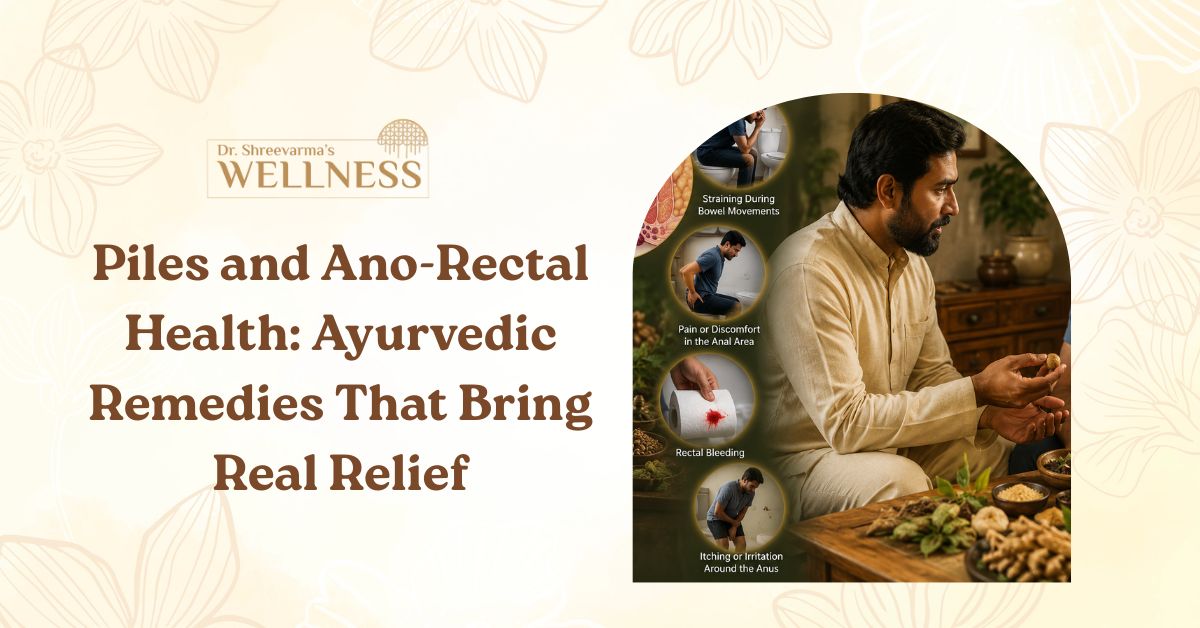
Piles, medically known as hemorrhoids, are one of the most common yet under-discussed health issues, affecting men and women across all age groups. Straining during bowel movements, prolonged sitting, poor diet, and chronic constipation are among the biggest contributors. While conventional treatment often jumps straight to surgery for advanced cases, many people are unaware that Ayurvedic medicine for piles offers effective, natural relief — especially when addressed early.
This guide explores what causes piles, how Ayurveda approaches ano-rectal health, and practical, herbal ways to manage the condition without necessarily resorting to surgery.
Understanding Piles in Ayurveda
In Ayurveda, piles are referred to as Arsha and are understood as a disorder rooted in poor digestion and an imbalance of the doshas — particularly Vata and Pitta. Weak digestive fire (Agni) leads to chronic constipation, which in turn causes excessive straining and swelling of the veins in the rectal area, leading to piles.
Ayurveda categorizes piles based on the dominant dosha involved:
- Vata-type piles: Dry, hard, painful piles often linked to constipation
- Pitta-type piles: Inflamed, bleeding piles associated with burning sensation
- Kapha-type piles: Soft, mucus-coated piles with less pain but persistent swelling
Identifying the dominant dosha helps determine the most appropriate herbal treatment approach, which is why a personalized Ayurvedic treatment for piles tends to be more effective than a generic one-size-fits-all remedy.
Common Causes and Symptoms of Piles
Common causes include:
- Chronic constipation and straining during bowel movements
- Low-fiber diets and inadequate hydration
- Prolonged sitting or sedentary lifestyle
- Pregnancy and increased abdominal pressure
- Obesity and heavy lifting
Common symptoms include:
- Pain or discomfort during and after bowel movements
- Bleeding during defecation (bright red blood)
- Itching or irritation around the anus
- A visible lump or swelling near the anal opening
- A feeling of incomplete evacuation
Recognizing these symptoms early allows for timely intervention with natural remedies, often preventing the condition from progressing to a stage that requires surgical treatment.
Ayurvedic Remedies for Piles
1. Triphala
One of the most widely recommended herbal remedies for hemorrhoids, Triphala is a blend of three fruits — Amalaki, Bibhitaki, and Haritaki — traditionally used to support healthy digestion and regular bowel movements, reducing the straining that aggravates piles.
2. Haritaki
Known for its mild laxative properties, Haritaki is traditionally used to relieve constipation and support smoother, less painful bowel movements — a key factor in managing piles naturally.
3. Nagakesar
This herb is traditionally used in Ayurveda for its ability to help reduce bleeding associated with piles and support healing of irritated rectal tissue.
4. Kankayan Vati
A classical Ayurvedic formulation specifically designed for piles and fistula, Kankayan Vati is traditionally used to reduce inflammation, support healthy digestion, and ease pain and bleeding associated with hemorrhoids.
5. Aloe Vera
Known for its soothing and anti-inflammatory properties, Aloe Vera is often used both internally and topically to calm irritation and support healing of the affected area.
6. Neem
With its natural antimicrobial properties, Neem is traditionally used to reduce infection risk and support healing of piles, particularly when there is associated itching or irritation.
7. Sitz Baths with Herbal Decoctions
A warm sitz bath infused with herbs like Triphala or Neem is a traditional remedy used to soothe pain, reduce swelling, and promote healing of external piles.
Piles Treatment Without Surgery: Is It Possible?
For early to moderate stages of piles (Grade I and II), Ayurveda offers a strong case for piles treatment without surgery. The approach typically combines:
- Herbal remedies to reduce inflammation, support digestion, and ease bleeding
- Dietary changes — increasing fiber intake, staying hydrated, and reducing spicy or fried foods
- Lifestyle modifications — avoiding prolonged sitting, regular light exercise, and not straining during bowel movements
- External applications — herbal oils or pastes applied to reduce swelling and discomfort
For advanced-stage piles (Grade III and IV) with persistent bleeding, prolapse, or severe pain, Ayurvedic treatment may be used alongside — rather than instead of — medical evaluation, and a doctor should always assess whether a non-surgical approach is appropriate for your specific case.
How to Use These Remedies Safely
- Triphala Powder: ½ to 1 teaspoon with warm water at bedtime, commonly used to support regularity
- Kankayan Vati: Taken in tablet form as directed by an Ayurvedic practitioner, usually after meals
- Aloe Vera Gel/Juice: Fresh gel applied externally, or juice taken internally in moderate amounts
- Sitz Baths: 10–15 minutes in warm herbal water, once or twice daily during flare-ups
- Dietary Additions: Include fiber-rich foods like whole grains, leafy greens, and fruits alongside adequate water intake
General guidance:
- Consistency is key — natural remedies typically show results over several weeks, not overnight
- Avoid self-diagnosing the severity of piles; a practitioner can confirm the grade and best course of action
- Combine herbal treatment with fiber-rich diet and hydration for meaningfully better results
Precautions to Keep in Mind
- Persistent rectal bleeding should always be medically evaluated to rule out other conditions
- Herbal remedies may take longer to show results compared to conventional treatments and are best suited for early-stage piles
- Pregnant women should consult a doctor before using any internal herbal remedy
- Severe, prolapsed, or infected piles may require in-clinic Ayurvedic procedures (like Kshara Sutra) or surgical intervention
Why Professional Guidance Matters
Piles can range from a mild, manageable irritation to a more serious condition requiring specialized care. Self-treating with random herbal products, without understanding the grade and underlying cause, can sometimes delay effective treatment.
If you're experiencing symptoms of piles — whether mild discomfort or persistent bleeding — it's worth consulting an experienced Ayurvedic doctor near you, such as Dr. Shreevarma's Wellness, for an accurate diagnosis and a personalized, non-surgical treatment plan wherever clinically appropriate.
Conclusion
Piles are a common but manageable condition, and Ayurveda offers a well-rounded, natural approach to relief — from herbal formulations like Triphala and Kankayan Vati to dietary and lifestyle changes that address the root cause. For many people, especially in the early stages, piles treatment without surgery is a realistic and effective option when guided by the right Ayurvedic expertise.
FAQs
Q1. Can piles be cured completely with Ayurvedic medicine? Early-stage piles often respond very well to Ayurvedic treatment, though advanced cases may need combined medical and Ayurvedic care.
Q2. How long does Ayurvedic treatment take to show results for piles? Most people notice improvement within 4–6 weeks of consistent herbal treatment and dietary changes.
Q3. Is Kshara Sutra a surgical procedure? Kshara Sutra is a minimally invasive Ayurvedic para-surgical procedure, generally considered gentler than conventional surgery, and is used for more advanced piles cases.
Q4. What foods should be avoided during piles? Spicy, fried, and processed foods, along with excess caffeine and alcohol, are generally best avoided as they can aggravate symptoms.
This article is for informational purposes only and is not a substitute for professional medical advice. Please consult a qualified Ayurvedic or healthcare practitioner for diagnosis and treatment of piles or any ano-rectal condition.


